Colorado window well maintenance requires more than occasionally removing leaves. Window wells face snow, ice, spring runoff, summer storms, and sudden temperature changes. Without proper care, moisture can collect beside the foundation and eventually enter the basement.
A damaged or poorly installed well may also rust, shift, separate from the foundation, or block an emergency exit. Fortunately, seasonal inspections can help homeowners identify concerns before they become expensive problems.
Use this checklist throughout the year to keep your window wells safer, cleaner, and better prepared for Colorado weather.
Why Colorado Window Well Maintenance Matters
A window well must manage several important jobs. It holds soil away from the basement window, supports drainage, and allows natural light into the room. When installed around an egress window, it must also provide a clear emergency escape route.
However, Colorado’s changing seasons can place stress on the entire system. Melting snow may saturate the surrounding soil. Heavy rain can overwhelm poor drainage. Meanwhile, trapped moisture may accelerate corrosion on older metal wells.
Proper installation is just as important as routine upkeep. ItIsWell Egress focuses on secure foundation attachment, suitable grading, and effective drainage. These details help protect against flooding, settling, and premature rust.
Spring: Inspect for Snowmelt and Drainage Problems
Spring is one of the most important times for Colorado window well maintenance. As snow melts, water can collect around foundations and expose drainage weaknesses.
Begin by removing leaves, branches, trash, and other debris from the well. Debris can block the drainage area and hold moisture against the metal.
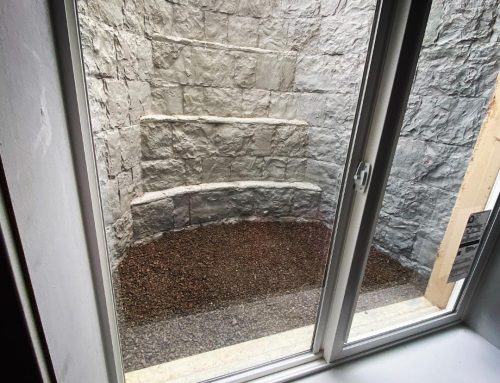
Next, examine the gravel at the bottom. It should look clean and should not be covered by mud or standing water. Persistent water may indicate a clogged drain, poor grading, compacted soil, or another installation problem.
Use this spring checklist:
- Remove debris from the well and surrounding yard.
- Look for standing water after snowmelt or rainfall.
- Check for dampness or staining around the basement window.
- Inspect the seal between the window and foundation.
- Confirm that soil slopes away from the house.
- Make sure downspouts discharge away from the window well.
- Test the window to ensure it opens easily.
Also, inspect the well’s connection to the foundation. Gaps can allow water and soil to enter around the sides. Therefore, loose or separating wells should receive professional attention.
Summer: Prepare for Heavy Rain and Hail
Colorado summers can bring intense storms, hail, and wind-driven rain. Even a short storm may send a significant amount of water toward the foundation.
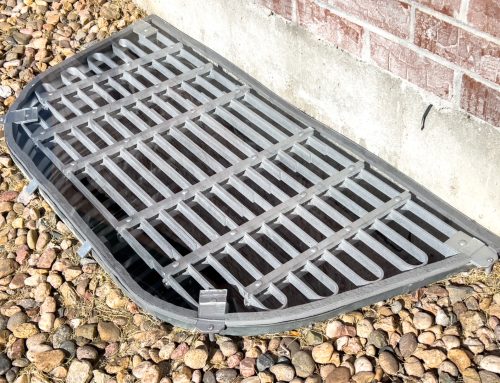
Before storm season peaks, inspect any window well covers. A quality cover can help keep out leaves, hail, animals, and excess precipitation. However, the cover must not prevent an egress window from functioning as an emergency exit.
Remove anything stored inside the well. Tools, toys, planters, and other objects can interfere with drainage. Additionally, these items may block someone who needs to exit through the window.
After a major storm, look for:
- New water inside the well
- Mud or soil entering around the edges
- Cracks around the window opening
- Bent or damaged metal
- Loose covers or fasteners
- Water stains inside the basement
Do not ignore repeated water accumulation. A window well should not function like a container. Instead, it should direct water downward and away from the basement opening.
Fall: Clear Debris and Check for Rust
Falling leaves can quickly fill a window well. Once wet, that organic material traps moisture and may clog the drainage area.
Clean each well several times during the fall, especially when nearby trees shed heavily. After cleaning, inspect metal surfaces for orange discoloration, flaking, holes, or thinning areas.
Small areas of surface rust may not mean the entire well has failed. However, spreading corrosion can weaken the structure. Rust near fasteners or foundation attachment points deserves particular attention.
Complete these tasks before winter:
- Remove leaves and organic material.
- Clean the gravel drainage area.
- Check the cover for cracks or warping.
- Inspect the well for rust and corrosion.
- Confirm that fasteners remain secure.
- Seal visible gaps around the window when appropriate.
- Remove weeds growing beside or inside the well.
- Verify that the escape path remains unobstructed.
Older wells may also begin to bow inward under soil pressure. If the well has changed shape, a replacement may be safer than a temporary repair.
Winter: Prevent Ice Buildup and Frozen Drainage
Snow inside a window well may melt during the day and freeze again overnight. Over time, this cycle can create heavy ice buildup against the window.
Avoid piling shoveled snow beside window wells. Instead, move snow away from the foundation whenever possible. Additionally, check that roof runoff and downspouts do not direct melting water toward the wells.
During winter, watch for:
- Snow packed against basement windows
- Thick ice forming at the bottom of the well
- Condensation or frost around the interior window
- Water appearing during warmer afternoons
- Covers sagging under snow weight
- Windows that no longer open properly
Never use excessive force to open a frozen egress window. You could damage the frame, glass, or hardware. Instead, address the moisture source and arrange an inspection when needed.
How to Recognize a Failing Window Well
Routine Colorado window well maintenance can extend the life of a sound system. Nevertheless, maintenance cannot correct every structural or installation problem.
Consider professional replacement when you notice:
- Extensive rust or holes in the metal
- Frequent flooding after rain or snowmelt
- A well pulling away from the foundation
- Bowing, leaning, or collapsing walls
- Poor drainage that repeatedly leaves standing water
- A well that is too small for safe egres
- Loose or failing foundation attachments
- Soil entering through gaps around the well
A failing well can affect basement safety, moisture control, and emergency access. Therefore, it is better to evaluate these warning signs early.
Protect Your Basement With ItIsWell Egress
Seasonal inspections help homeowners catch minor concerns before they worsen. However, drainage failures, heavy rust, unsafe dimensions, and loose attachments often require professional correction.
ItIsWell Egress installs egress windows and replaces rusted, flooding, and failing window wells throughout Denver and the Colorado Front Range. Their team emphasizes proper drainage, grading, secure foundation attachment, and clean workmanship. They also offer multiple well options to fit different homes and project needs.
Whether you need a new egress installation or want to replace an aging window well, experienced guidance can help protect your basement. Contact us at ItIsWell Egress to request a free estimate and prepare your window wells for every Colorado season.